
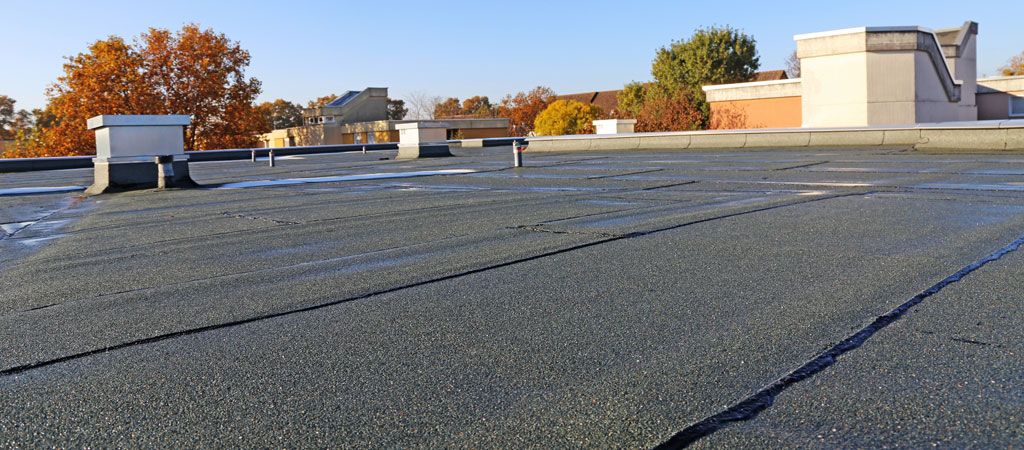
Your commercial roof is your building’s first line of defense against Vancouver’s relentless rain, coastal winds, and temperature fluctuations. Yet many property managers and business owners miss the warning signs until a minor issue becomes a costly emergency.
As Vancouver’s trusted commercial roofing experts since 1999, we’ve responded to countless emergency calls that could have been prevented with early intervention.
The difference between a simple repair and a full roof replacement often comes down to catching these critical warning signs early.
In this guide, we’ll walk you through the seven most critical indicators that your commercial roof needs immediate professional attention – and what happens if you wait too long.
Vancouver’s unique coastal climate creates the perfect storm for roofing issues. Our properties face over 160 days of rain annually, dramatic temperature swings between seasons, and persistent moisture that can accelerate roof deterioration. What starts as a small leak in September can become structural damage by January if left unaddressed.
The cost difference is staggering. A minor repair caught early might cost a few thousand dollars. Wait until water has compromised your building’s structure, damaged inventory, or forced business closure? You’re looking at tens of thousands – or more.
What to look for: Brown or yellow stains on ceiling tiles, drywall discoloration, or water rings that appear after rainfall.
Why it’s critical: Water stains are never just cosmetic. By the time water reaches your ceiling, it has already penetrated multiple roofing layers and potentially compromised insulation, decking, and structural supports. In Vancouver’s damp climate, this moisture creates ideal conditions for mold growth – often within 24-48 hours.
What happens if ignored: The leak will expand, water damage will spread to electrical systems and inventory, mold remediation costs will skyrocket, and you may face business interruption or health code violations.
Immediate action required: Document the stains with photos, place collection buckets if actively leaking, and contact a commercial roofing contractor immediately for emergency inspection. Don’t wait for the next rainfall.
What to look for: Standing water pools on your flat or low-slope roof that remain more than 48 hours after rain stops.
Why it’s critical: Commercial flat roofs are designed with slight slopes and drainage systems to prevent water accumulation. When water ponds for extended periods, it indicates drainage failure, sagging roof deck, or improper installation. This standing water accelerates membrane deterioration, adds significant weight stress to your structure, and will eventually find entry points into your building.
What happens if ignored: Membrane breakdown accelerates exponentially, roof structural integrity weakens under the weight, leaks develop that are difficult to locate and repair, and you may need premature roof replacement instead of simple drainage correction.
Immediate action required: After Vancouver’s frequent rainstorms, inspect your roof within 24-48 hours. If ponding persists, schedule an emergency drainage assessment. The solution might be as simple as clearing blocked drains or as complex as installing tapered insulation – but either way, acting quickly prevents catastrophic failure.
What to look for: Bubbles or blisters forming under your TPO, EPDM, or torch-on roofing membrane, visible cracks or splits in the surface, or edges that are lifting or peeling away from seams.
Why it’s critical: Blisters indicate trapped moisture or air between roofing layers – a sign that your roof system is already compromised. Cracks and peeling create direct pathways for water infiltration. In Vancouver’s freeze-thaw cycles, small cracks expand rapidly as water freezes and expands within them.
What happens if ignored: Small blisters become large areas of delamination, cracks widen and multiply with each freeze-thaw cycle, wind-driven rain penetrates compromised areas, and what could have been a patch repair becomes a section replacement.
Immediate action required: If you notice blistering or cracking during a routine visual inspection, avoid walking on affected areas (you could make it worse) and call for professional evaluation. Modern commercial roofing systems like TPO and EPDM can often be repaired if caught early, but delay turns repair into replacement.
What to look for: Rust, separation, or deterioration around HVAC units, vents, skylights, and roof edges. Gaps between flashing and the roof surface or building walls. Visible sealant that has cracked, dried out, or separated.
Why it’s critical: Flashing is your roof’s most vulnerable point – where the flat surface meets vertical structures. Commercial buildings have numerous penetrations for HVAC systems, plumbing vents, and electrical conduits. When flashing fails, water follows the path of least resistance straight into your building. Vancouver’s heavy rainfall makes compromised flashing particularly dangerous.
What happens if ignored: Water infiltrates along mechanical systems and can damage expensive HVAC equipment, interior leaks appear far from the actual roof breach (making them hard to locate), structural rot develops around penetrations, and repairs become exponentially more complex and costly.
Immediate action required: Schedule a comprehensive flashing inspection, especially before winter. Flashing repairs are relatively inexpensive when addressed promptly but can cascade into major problems when neglected. If you see active leaking around roof penetrations, this is a true emergency requiring immediate temporary sealing and permanent repair.
What to look for: Heating and cooling bills that have risen significantly without corresponding usage changes, uneven temperatures across your building, or HVAC systems running more frequently.
Why it’s critical: Your commercial roof provides critical insulation for your entire building. When roofing membranes fail or insulation becomes saturated with water, your roof’s R-value (insulation effectiveness) plummets. In Vancouver, where heating costs peak in winter, wet insulation can lose up to 50% of its insulating capacity. You’re literally paying to heat or cool the outdoors.
What happens if ignored: Energy costs continue climbing month after month, saturated insulation must eventually be replaced (not just dried), employee comfort suffers affecting productivity, and the underlying moisture issue causing insulation saturation will lead to structural problems.
Immediate action required: If energy bills spike without explanation, request a thermal imaging inspection of your roof. This non-invasive technology reveals exactly where heat is escaping and moisture has compromised insulation. The sooner you identify and repair the issue, the faster you stop wasting money on energy costs.
What to look for: Green or black discoloration on your roof surface, moss growing in corners or around drains, plants or weeds sprouting from roof seams or debris.
Why it’s critical: Vancouver’s wet climate creates perfect conditions for biological growth on commercial roofs. While this might seem merely cosmetic, algae and moss retain moisture against your roofing membrane, accelerating deterioration. Moss roots can penetrate and damage roofing materials. Vegetation indicates organic debris accumulation and likely drainage problems.
What happens if ignored: Membrane deterioration accelerates under constant moisture, roots penetrate seams and create leak pathways, blocked drains lead to ponding water, and the aesthetic decline signals neglect to clients and tenants.
Immediate action required: Schedule professional roof cleaning and inspection to assess whether growth has already caused damage. Implement a preventive maintenance program that includes regular debris removal and drainage cleaning – especially important in Vancouver’s fall leaf season.
What to look for: Gaps appearing between your roof membrane and walls or edges, roof surface that appears tighter or more stretched than previously, fasteners or seams becoming exposed or stressed.
Why it’s critical: Roofing membranes naturally contract and expand with temperature changes, but excessive shrinkage indicates aging material or improper installation. In Vancouver’s temperature swings from wet winter cold to summer heat, this expansion-contraction cycle stresses roofing systems. When membranes pull away from edges or fastening points, they create gaps where water and wind can penetrate.
What happens if ignored: Wind can get under loose edges and cause catastrophic tearing (especially during coastal storms), water infiltrates around the entire building perimeter, fasteners pull through stressed membrane creating more leak points, and complete re-roofing becomes necessary when edge repairs would have sufficed.
Immediate action required: If you notice shrinkage or edge separation, act before Vancouver’s next windstorm. Edge repairs and re-securing can often resolve the issue without full replacement—but only if addressed while the membrane itself remains viable.
Last winter, we received an emergency call from a Surrey retail property owner. What started as “a small drip” in October had become a ceiling collapse by January. The initial leak – likely repairable for $2,500 – cascaded into $85,000 in damages: full roof section replacement, interior ceiling and drywall repair, water-damaged inventory, temporary store closure, and emergency water extraction.
The building owner admitted they had noticed water stains in early fall but assumed they’d “deal with it in spring.” Vancouver’s persistent winter rain had other plans.
If you’ve identified any of these seven critical signs in your commercial building, here’s your action plan:
Immediate Steps (Within 24 Hours):
Short-Term Response (Within 1 Week):
Long-Term Prevention:
With over 25 years serving Vancouver’s commercial properties, we understand the unique challenges of Lower Mainland roofing. Our emergency response team is available 24/7/365 because we know roof problems don’t wait for business hours.
We specialize in all major commercial roofing systems – TPO, EPDM, PVC, torch-on, and metal roofing – and we’re certified installers for leading manufacturers including GAF, Firestone, and SOPREMA. Our comprehensive approach includes:
Your commercial roof is protecting your biggest investment. The seven warning signs we’ve covered – from water stains to membrane shrinkage – are your roof’s way of asking for help. In Vancouver’s demanding climate, small problems become big ones fast.
The difference between a minor repair today and a catastrophic failure tomorrow often comes down to one decision: acting now versus waiting “just a little longer.”
If you’ve noticed any of these critical warning signs, don’t wait for the next rainfall to find out how serious the problem really is.
Contact Best Quality Roofing for Emergency Commercial Roof Inspection:
Our emergency services are available 24 hours a day, 7 days a week, 365 days a year.
We’ll assess your situation, provide honest recommendations, and protect your property before minor issues become major disasters.
Remember: The most expensive roof repair is the one you postpone.
About Best Quality Roofing: Since 1999, Best Quality Roofing has been Vancouver’s trusted commercial roofing partner, serving property managers and business owners throughout the Lower Mainland, Fraser Valley, Whistler, Squamish, and the Okanagan.
We’re BBB accredited, GAF Select Shingle Master certified, and committed to protecting your property with quality workmanship backed by comprehensive warranties.
Ready to protect your investment? Request your commercial roof inspection today.
